How Much Gravel Do I Need for a Driveway?
Learn how much gravel you need for a UK driveway using measured areas, layer depths, volume calculations and a supplier check.
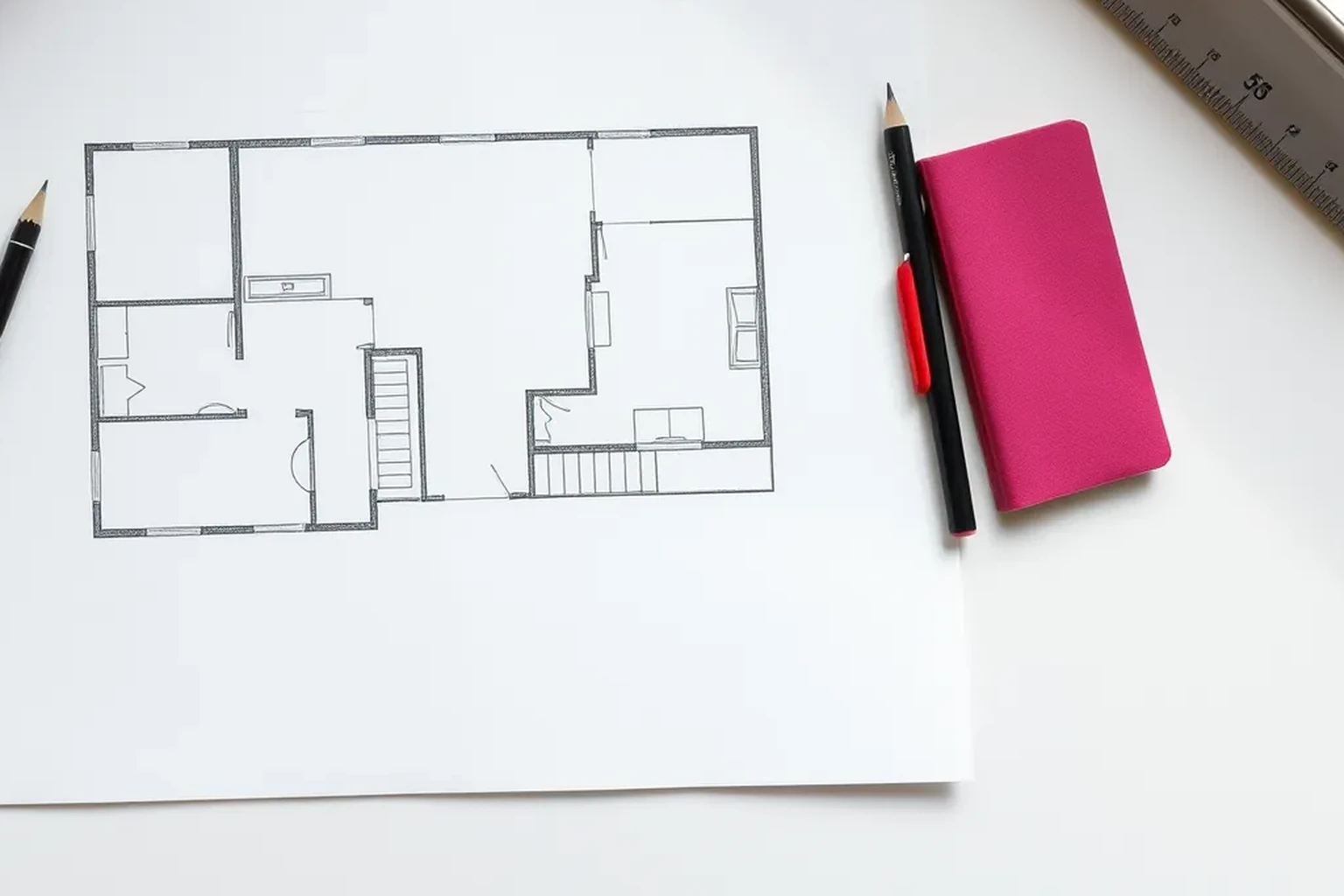
Measure the driveway in sections, convert every measurement to metres, and multiply area by the planned gravel depth to find the required volume in cubic metres. Add a modest allowance for uneven ground, settlement and handling, then use the supplier's stated coverage to convert the volume into bulk bags or smaller bags. The worked example is illustrative only: actual quantities depend on the surface preparation, aggregate size and how accurately the area is measured.
How much gravel do I need for a driveway: start with the area
Measure the finished gravel area rather than the whole garden or plot. For a simple rectangle, measure the length and width in metres and multiply them together. For example, a 6.0 m by 3.0 m driveway has an area of 18.0 square metres.
Driveways are often irregular, especially around gates, paths, planting beds or a turning area. Divide the plan into rectangles, triangles or other simple shapes, calculate each area separately, and add the results. Measure the narrowest usable width at gates and check that vehicles will not overrun the edges.
Use a tape measure and record dimensions to the nearest 10 mm where practical. UK suppliers normally describe aggregate quantities in cubic metres, tonnes, bulk bags or individual bags, so keeping the original measurements in metres makes the later calculation easier to audit.
- Sketch the driveway and label every measured section.
- Measure between the intended edging lines, not beyond them.
- Separate parking bays, paths and turning areas before adding them.
Choose and check the gravel depth
Decide the depth before ordering. The required depth depends on the existing ground, the sub-base, the edging and the gravel type. A decorative gravel wearing layer is different from the compacted sub-base beneath it, so do not include both layers in one gravel calculation unless you are deliberately ordering both materials.
Write the planned depth in millimetres, then convert it to metres by dividing by 1,000. For example, 50 mm is 0.050 m and 75 mm is 0.075 m. This conversion follows the SI relationship between millimetres and metres and prevents a common error where a 50 mm depth is accidentally entered as 50 m.
Check the design at gates, thresholds, drainage channels and the pavement. Gravel should finish at a controlled level against the edging and should not obstruct doors, gullies or access covers. Where the driveway connects to a public footway or road, check the relevant permissions and local requirements before ordering materials.
- Record the wearing-layer depth separately from any sub-base depth.
- Use one consistent unit throughout the calculation.
- Check the finished level against gates, paths, drains and thresholds.
Calculate cubic metres using area multiplied by depth
The core calculation is: area in square metres multiplied by depth in metres equals volume in cubic metres. If the driveway has multiple sections, calculate each section and add the volumes. Keep the unrounded figures until the final step so that small sections are not lost through early rounding.
For a rectangular section, the full calculation is length multiplied by width multiplied by depth. For a triangular section, calculate half of length multiplied by width for the area, then multiply that area by the depth. If the ground is sloped or uneven, use several depth zones or base the calculation on the average planned depth.
The result is the compact or laid volume represented by your measurements. It is not automatically the number of tonnes or bags because gravel products have different particle sizes, moisture levels and packing characteristics. Use the supplier's stated conversion or coverage rather than applying a generic weight assumption.
- Area: length x width.
- Volume: area x depth.
- Add separate section volumes before allowing for waste.
- Keep the answer in cubic metres until the supplier conversion.
Allow for waste, settlement and uneven edges
Add an allowance after calculating the geometric volume. The allowance covers cutting around edges, small measurement errors, material left in delivery equipment and the need to top up areas that settle or spread during installation. Choose the allowance according to how regular the shape and base are, and record the percentage you used.
A simple way to apply it is to multiply the calculated volume by 1.05 for a 5% allowance or by 1.10 for a 10% allowance. This is a planning allowance, not a guaranteed settlement factor. If the ground is badly uneven, the sub-base has not been prepared, or the edge restraint is incomplete, resolve those issues rather than relying on extra gravel.
Do not order by a rounded bulk-bag count until you have checked the supplier's stated capacity. A bag sold as a nominal volume may not provide the exact laid volume after handling, and some products are sold by weight. Ask how the quoted coverage was measured and whether it assumes a particular depth.
- Write down the allowance percentage and why it was chosen.
- Round up to a practical order quantity only after checking supplier coverage.
- Keep spare material available for later top-ups if storage is safe and dry.
Convert the volume into UK delivery quantities
Once you have an adjusted volume in cubic metres, compare it with the supplier's product information. UK suppliers commonly offer loose aggregate, bulk bags and smaller pre-packed bags, but the coverage varies by product and pack. The product name alone is not enough: confirm the aggregate size, stated weight or volume, and coverage at the depth you intend to lay.
For a delivery quote, provide the supplier with the driveway area, planned gravel depth, calculated cubic-metre volume and preferred aggregate. Ask whether the quoted quantity is loose, compacted or nominal, and whether the delivery vehicle can reach the unloading point. Check access width, overhead obstructions, parking restrictions and whether a crane or grab delivery is being proposed.
A bulk bag may be a practical choice for a driveway, while small bags can be useful for a narrow path or a final top-up. Do not assume that two products with the same bag description contain the same amount. Keep the product label, invoice and delivery note with your household records so that you can identify the aggregate later.
- Confirm coverage for the exact gravel product and size.
- Check whether the quote is based on weight, volume or coverage.
- Measure delivery access and confirm where the material will be tipped.
- Retain the delivery details for future maintenance.
Check preparation, drainage and edging before delivery
Before the gravel arrives, confirm that the excavation, sub-base and surface levels are ready. A typical driveway build-up may include compacted sub-base, a suitable separating or weed-control layer where appropriate, edging and the visible gravel layer. The correct specification depends on the ground, drainage design, expected traffic and local conditions, so follow the installer or manufacturer's system rather than treating a generic layer sequence as a regulation.
A gravel driveway should not send uncontrolled runoff onto a public pavement or road. UK planning guidance explains that permeable or porous surfacing can be relevant to driveway drainage and planning permission. Check the current guidance and your local planning authority, particularly where the driveway is large, slopes towards the highway, or uses an impermeable base.
Install or confirm edging before the final quantity is spread. Edging controls the measured width, reduces gravel migration and gives you a reliable level reference. Check that drainage channels, inspection covers, utility access and the bottom of gates remain usable after the planned depth is installed.
- Confirm the sub-base and surface are compacted and at the correct level.
- Check where rainwater will go and whether planning advice applies.
- Install edging before spreading the finished gravel.
- Protect drains, covers, thresholds and gates during delivery and installation.
Final verification checklist
Re-measure the completed outline before placing the order, especially if edging or a gate position has changed. Recalculate the area, convert the selected depth from millimetres to metres, and multiply area by depth. Then apply the recorded allowance and compare the result with the supplier's coverage.
Finally, check the practical delivery details. Make sure the chosen aggregate is suitable for the intended use, the delivery can reach the site, and the finished level will not interfere with drainage or access. Keep a copy of the calculation so future top-ups can be based on the actual product and measured area.
- Area measured in square metres.
- Depth recorded in millimetres and converted to metres.
- Volume checked as area x depth.
- Allowance recorded and applied once.
- Supplier coverage, product size and delivery access confirmed.
Reproducible worked record
Illustrative 5.4 m x 3.2 m driveway gravel calculation
All numbers in this worked example are explicitly illustrative and synthetic, not a measured property or a product recommendation.
- Driveway length
- 5.4 m
- Driveway width
- 3.2 m
- Planned gravel depth
- 50 mm = 0.050 m
- Planning allowance
- 10%
Area = 5.4 x 3.2 = 17.28 m2; base volume = 17.28 x 0.050 = 0.864 m3; adjusted volume = 0.864 x 1.10 = 0.9504 m3.The check confirms an illustrative adjusted requirement of 0.9504 cubic metres before converting it into the supplier's stated bag or delivery quantity.
Verification boundaryRe-measure the edged area, confirm that 50 mm is the intended finished layer depth, and compare 0.9504 m3 with the exact product coverage supplied by the UK aggregate merchant.
References and field record
Check the assumptions at their source.
The method uses SI length conversions and a driveway drainage check consistent with authoritative measurement and UK planning guidance; the allowance and supplier conversion still require site and product-specific confirmation.
- NISTSupports the relationship between metres and millimetres used to convert the planned gravel depth.SI Units - Length
- UK governmentSupports checking driveway drainage, permeable surfacing and whether planning considerations may apply.Permeable surfaces and driveways
References checked August 6, 2026. External specifications can change; verify the current document before relying on a product or regulated dimension.
Scope and limitations
This note helps householders organise measurements and understand the calculation. It does not replace an on-site decision by a designer, installer, contractor, or manufacturer. Fabrication, structure, electrical work, gas, waterproofing, and personal safety require suitably qualified verification.